When you think of “psychology placement”, you probably associate it with befriending projects or volunteering for charities advocating mental health awareness. Whilst they are both brilliant opportunities, Cardiff Met is involved in several fascinating multi-disciplinary research projects, where students have the chance to become a research assistant for the university.
I was most captivated by the COPE Cymru study, in which the project statement emphasises the importance of people’s actions, feelings and thoughts, with the aim to understand the impact that the pandemic has had on their lives. Its focus on public experiences of the COVID-19 pandemic, paired with my personal interest in health and clinical psychology, made it a placement opportunity I had to seize.
I must admit, the application process was competitive (considering there were only four positions available), but with the help of Cardiff Met’s careers service, I was really able to strengthen my application. Post two weeks of getting my friends to re-read my endless tweaking of the same sentences, I was offered the research assistant role! The position entailed independently coding quantitative research from participant surveys and collectively discussing the findings with the rest of the team.
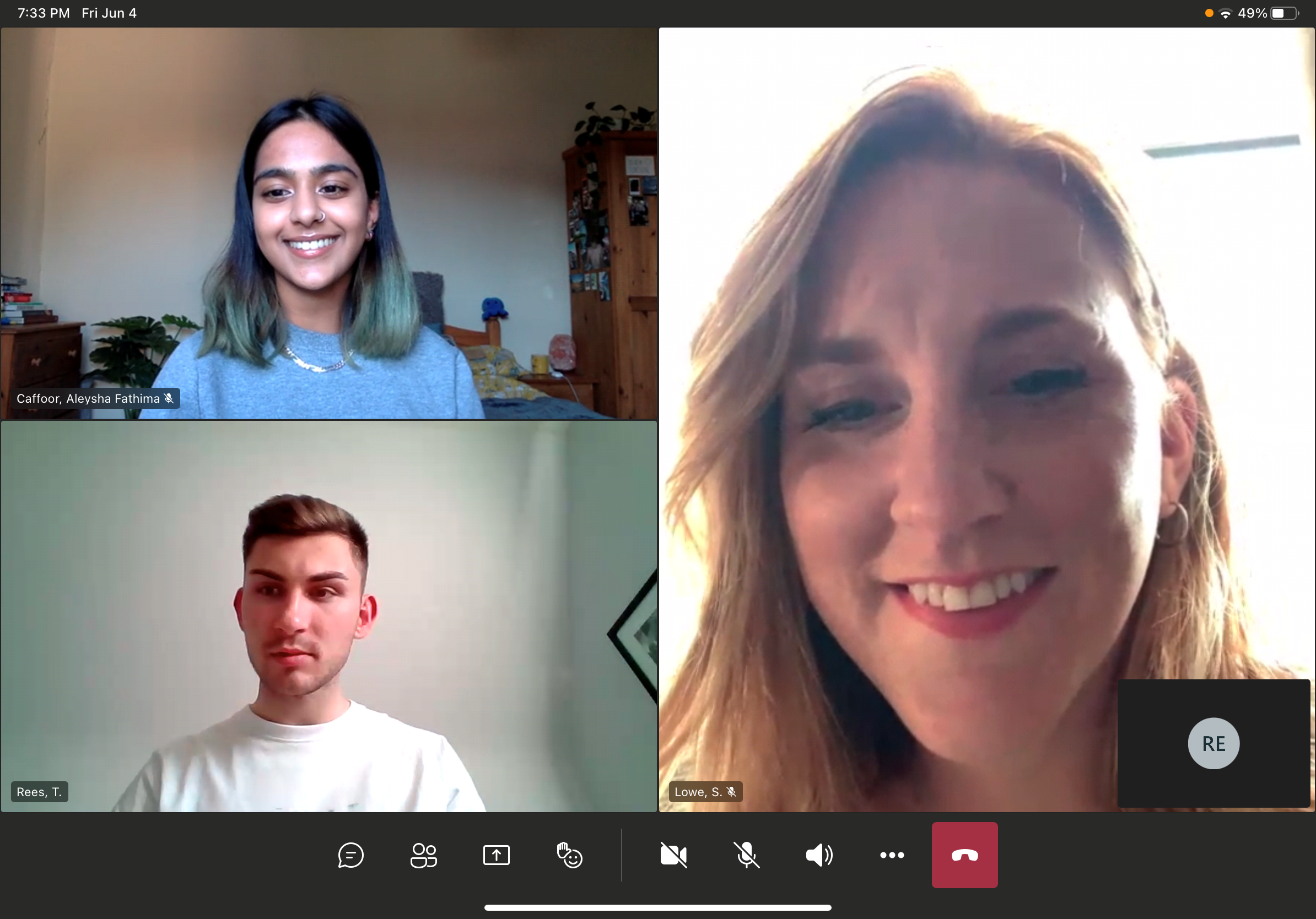
As of now, I am almost six months into my placement and it is very clear to me that I was given an insight into how professional research projects are managed. Through looking at research interventions and thinking about how to better communicate research data, I was able to develop specialist knowledge, such as learning how to code. Even though I am only a research assistant in such a large-scale project, I think my contributions could still be important to effectively inform governments and health services in their response to the COVID-19 pandemic.
Before this placement, the lengths of my critical evaluation skills reached no further than research journals. Taking a more practical approach has advanced not only the value I place upon this particular skill, but my grasp on its application. I feel optimistic that I can now, instead of being hesitant of my evaluative skills capability, confidently apply critical evaluations to theories, research and real-world situations.
As a second year undergraduate aspiring to become a health psychologist, I know I still have a lot more to learn. However, I feel secure knowing that with the right opportunities, I can develop the skills and experience I need to accomplish my goals (and you should too).