
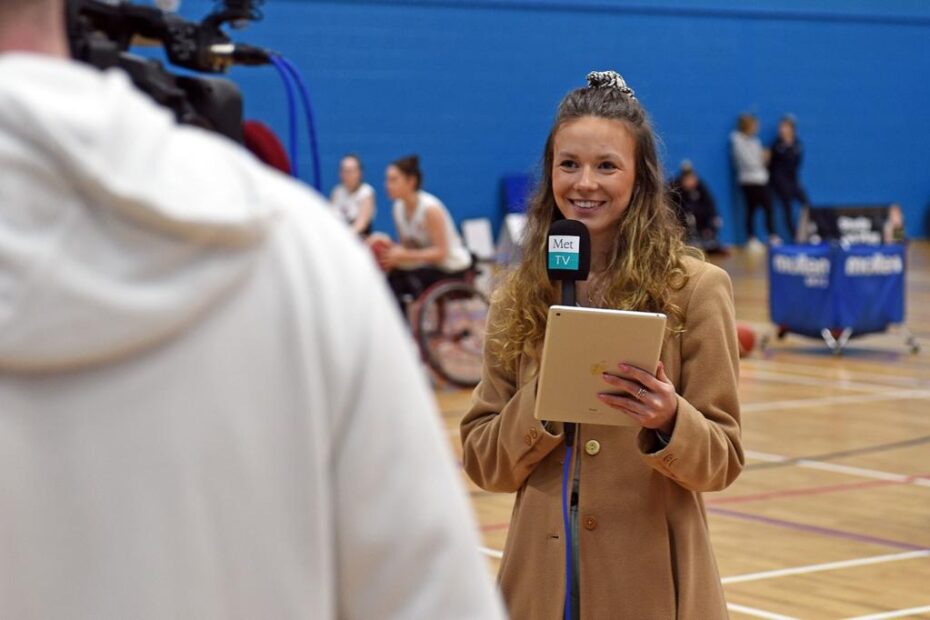
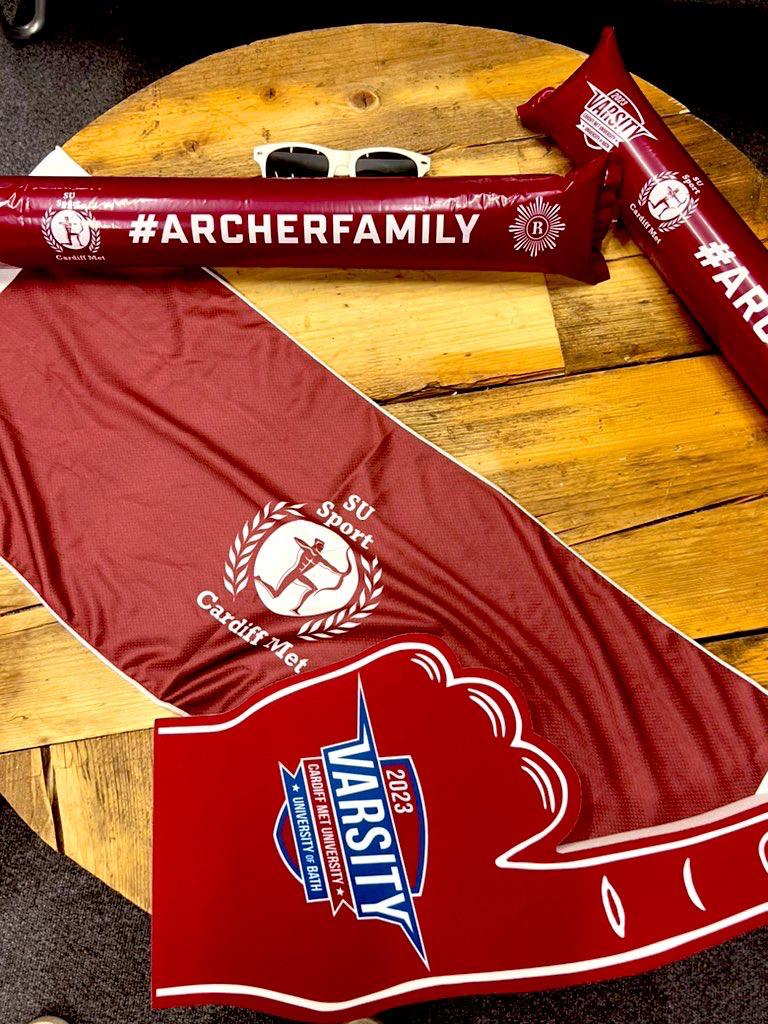
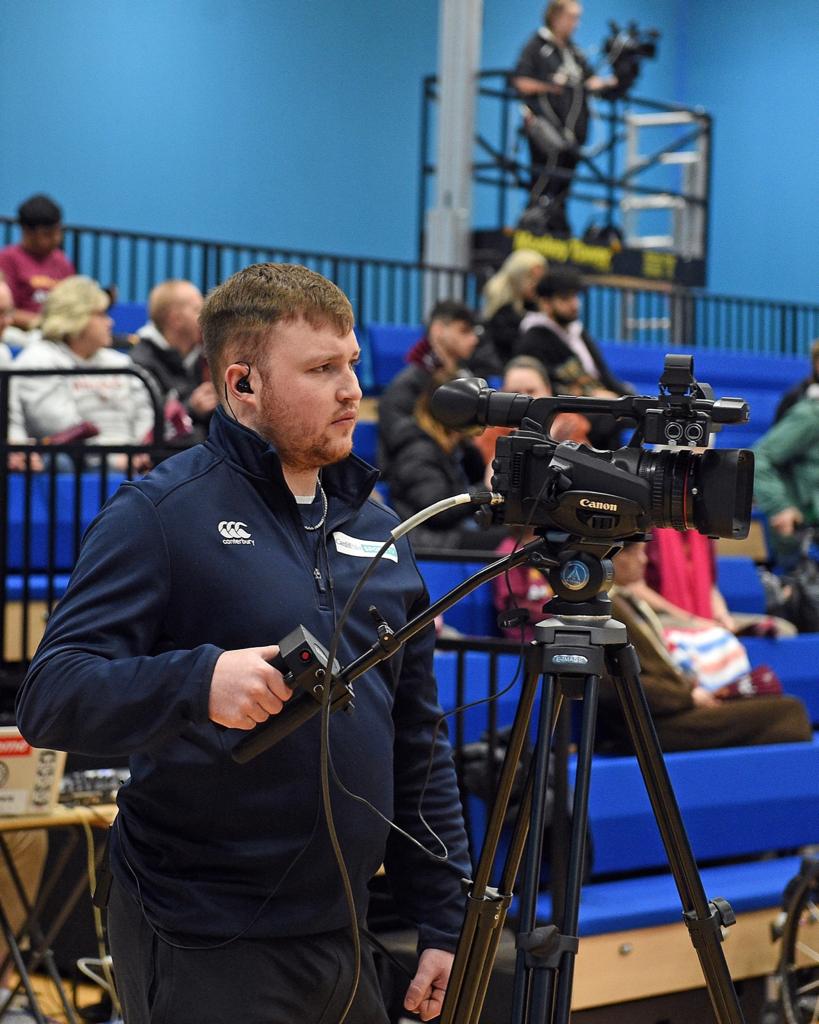

Most universities teach media production and broadcast journalism. But very few teach it like we do. When it comes to doing it “live”, most university lecturers are understandably nervous about putting their students on external facing platforms in real, live situations. The risk, they think, is higher than the reward. At Cardiff Met we have flipped that fear. For us, the risk IS the reward. It’s only by being in that “real-world”, high-risk situation, with real pressures and real audiences, where you can properly and authentically learn about live broadcasting. To know what to do when the feed goes down, when the guest doesn’t show up, when a match kicks off early, someone forgets to fade up a mic, or an F-Bomb gets dropped in a post-match interview, or a camera lens fills up with rain…you HAVE to experience that situation to learn from it, there’s no way of replicating it in a classroom or lecture theatre. On the Sport Broadcast MSc we pride ourselves in creating students who are “industry ready” and we are fortunate that the elite sports environment at Cardiff Met provides us with continuous opportunities to broadcast quality sport, sport that matters, with big crowds and high stakes, where we can fast-track the development of our students’ production skills and build on their live experience. Because in the live broadcast industry, you need miles on the clock. The sooner you get that experience, the sooner you make those mistakes, the better you’ll be.
For this year’s Varsity we could have picked one single game to stream, or delivered a pre-event build up show and then made some highlights of the big games. That would have been the easy option. But instead we went for something bigger. We created a full SEVEN hour broadcast, the longest sports show in Wales this year, on any channel.
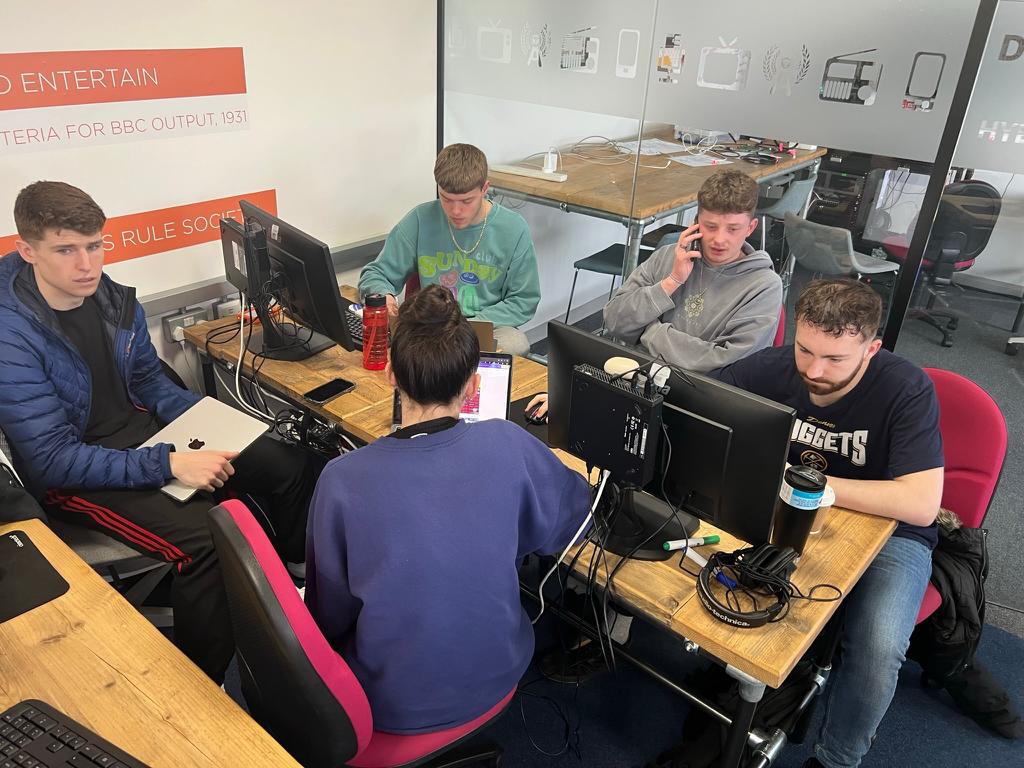
FIVE live streams, one of which was a continuous studio show jumping across our various feeds, bringing in guests and running VTs, while the other four streams were self-contained programmes, with cameras, graphics and commentary produced on site. Over 20 of our students took part, each given a variety of tasks and roles through the day. From live directing, producing, floor managing, presenting, operating cameras, replays and graphics, capturing content for other social accounts, meeting and greeting guests, cutting the closing montage, commentating, reporting and presenting.

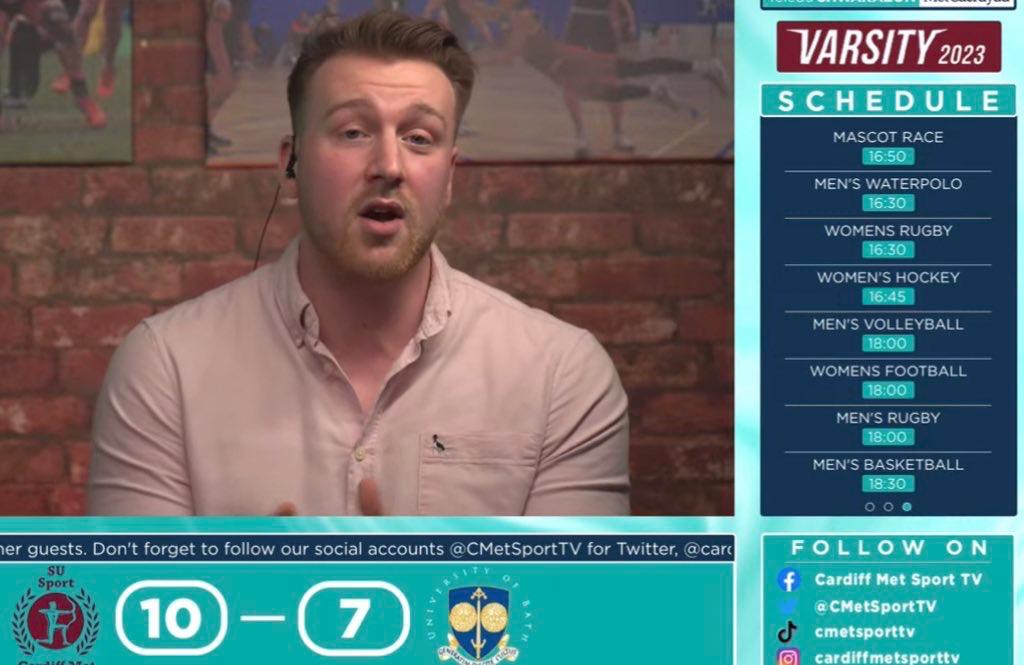
Everything we have taught throughout the academic year was focused towards being able to perform in a live environment like this. Both on screen and in production. For us the editorial is as important as the technical. You can’t have one without the other. We have livestreams every week, sometimes double headers, but this was a whole new challenge.
Our ambition was a “Sky Sports Soccer Saturday” style broadcast. Like Grandstand, for those old enough to remember, with a fixed studio base where we could anchor the coverage from, invite guests to join us, update scores, cross live to our reporters around campus and drop in and out of our 4 independent match streams.
Whilst the live production takes priority we have recognised our content gets much more traction across social, after all, that’s where most of our audience is. To ensure we capitalised on this we deployed a social capture crew throughout the day, creating fast turn-a-round platform-specific social content. We targeted Insta stories, Reels and TikTok and used these platforms to make sure we covered every sport, at every venue throughout the day.
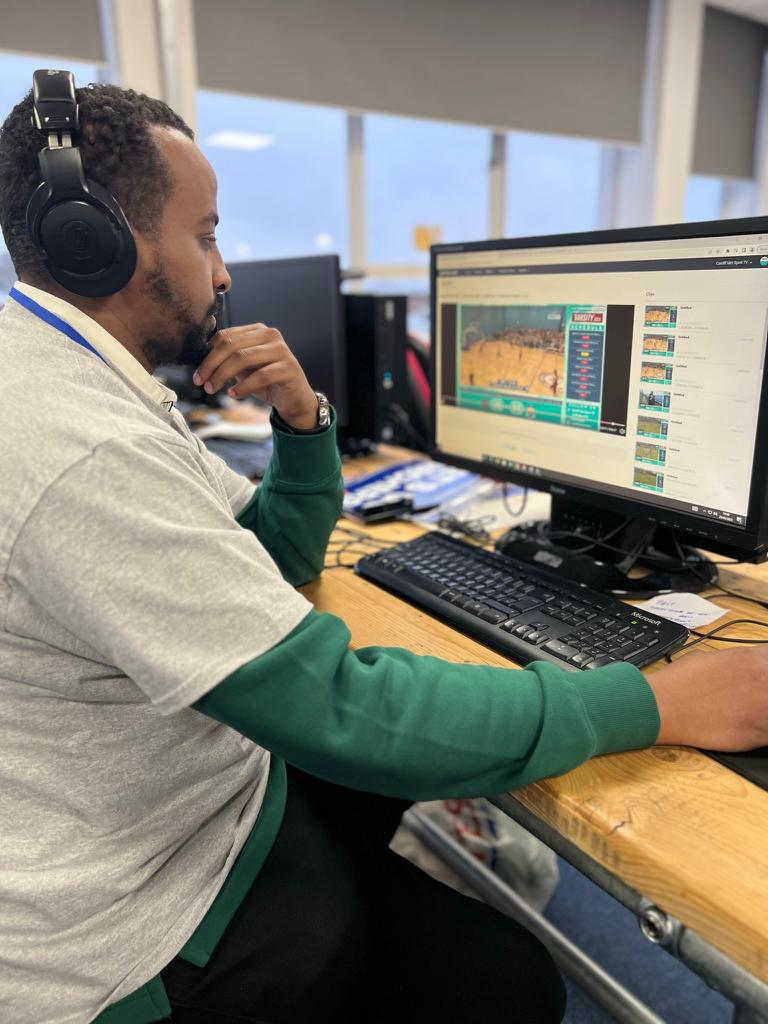
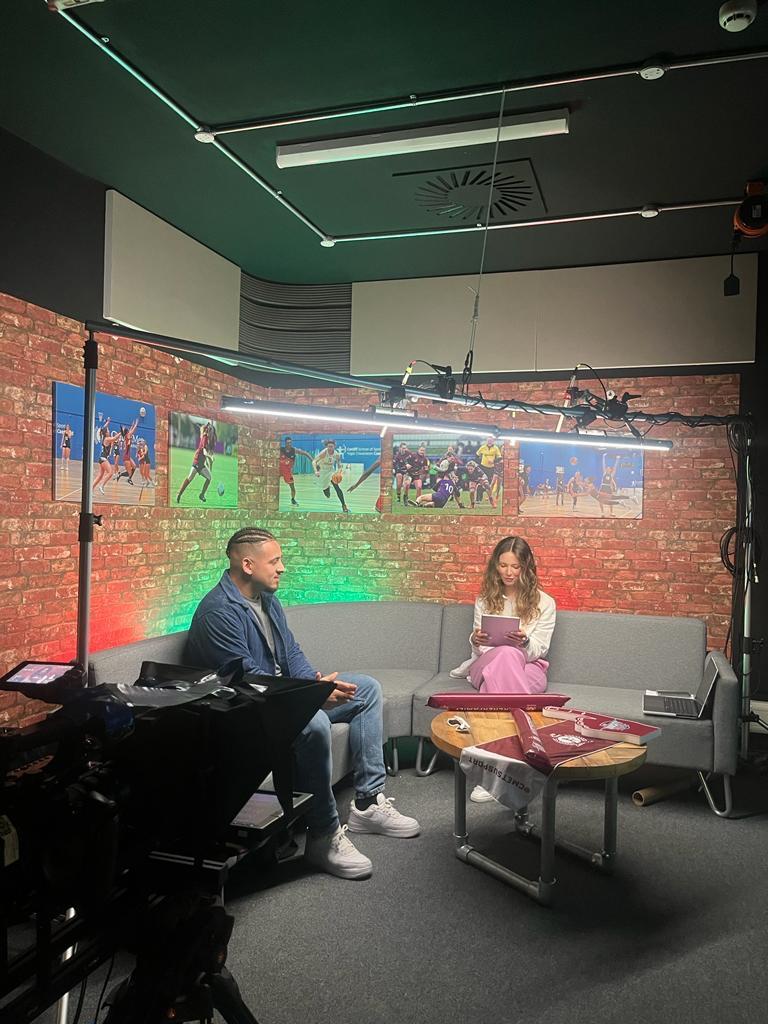
Social platforms provide amazing analytics and data which help us to see which areas of our production are most viewed. We had fantastic reach and engagement throughout Varsity, with 10s of 1000s watching our stuff. Our coverage is providing an amazing platform to showcase our university sports offer, the facilities, the teams, the coaching, the whole student experience. It’s a huge recruitment driver. Everybody wins.
The fact we go live so often is the reason so many major organisations are now willing to take our feeds LIVE onto their platforms, in recent months we’ve broadcast on BBC S4C British Universities & Colleges Sport (BUCS) Basketball Wales – Pel Fasged Cyf Urdd Gobaith Cymru and British Wheelchair Basketball

