

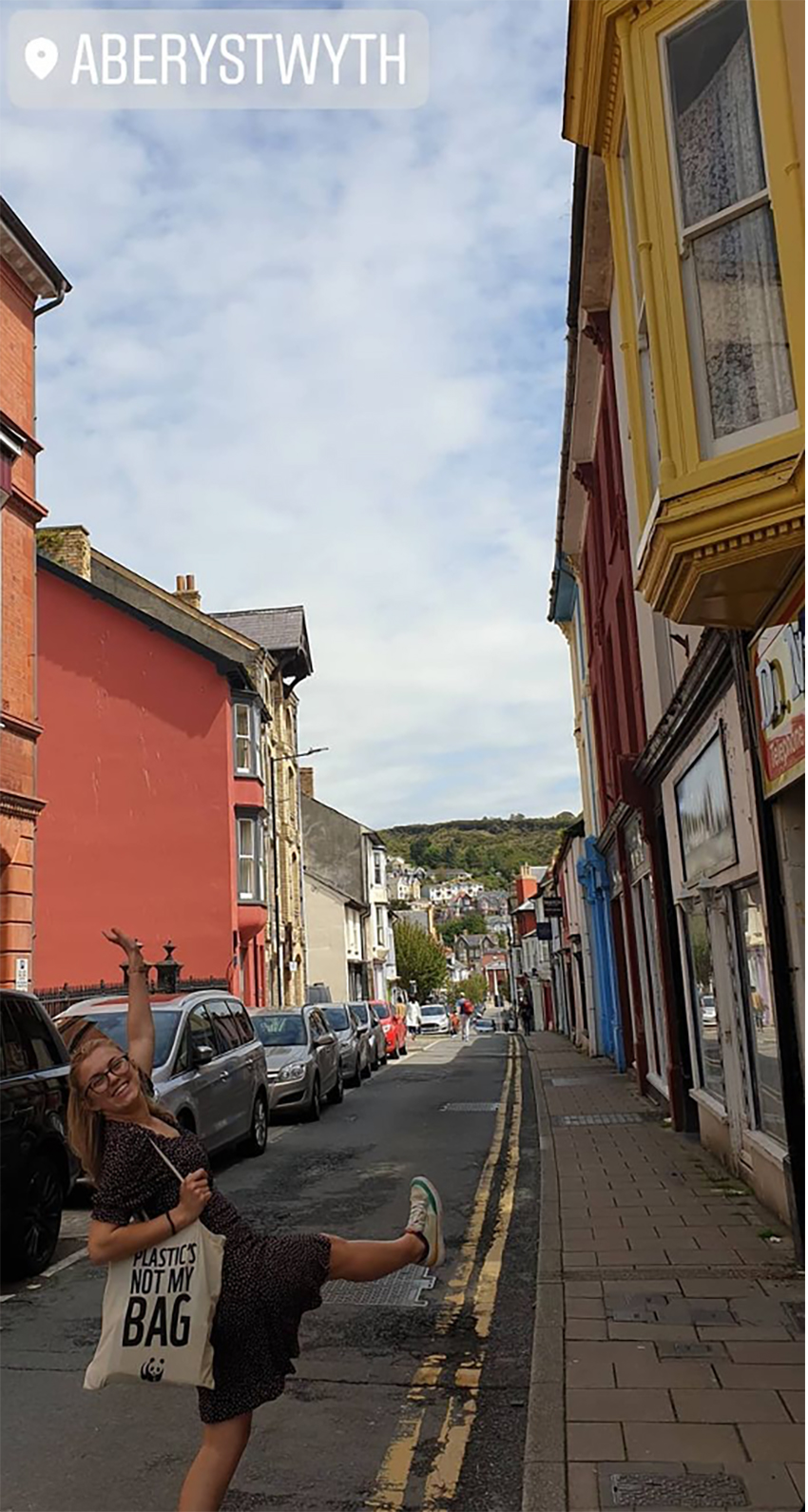
Anyone’s first placement is bound to be a learning curve, a new city to live in, a new learning environment, a whole new bunch of people to meet and a department to try and fit into. 7 hours from home and many more miles out of my comfort zone, Aberystwyth (northwest Wales) was to be my temporary home.
Every single one of my lecturer’s told the year group that “you’ll learn the most when you go on placement”, but I never quite believed them until I walked into the dietetic department for my first day on placement (after a good 20 minutes of wandering lost round the hospital that is).
Not only do you have a huge collection of names to learn, from Dietitians and Dietetic Assistants to the Dietetic Secretaries and Catering staff, but they all have to learn your name too! There’s navigation to practice as you enter a hospital you’ve never been to and every ward imaginable and a PPE routine to master when you’re seeing Covid patients.
From attending morning ward rounds to carrying out audits and attending tutorials, speaking to patients across the hospital, attending community clinics and care home visits, there’s community hospitals to visit and multi-disciplinary team (MDT) meetings to attend and public health lessons to be given (online) to a variety of groups within the community. Shadowing many roles within the hospital allows an in-depth understanding in the essential team work to keep patient’s safe and the hospital functioning effectively – I was able to shadow a Physio, Speech and Language Therapist, Occupational Therapist, Frailty Nurse and a ward-based Pharmacist.
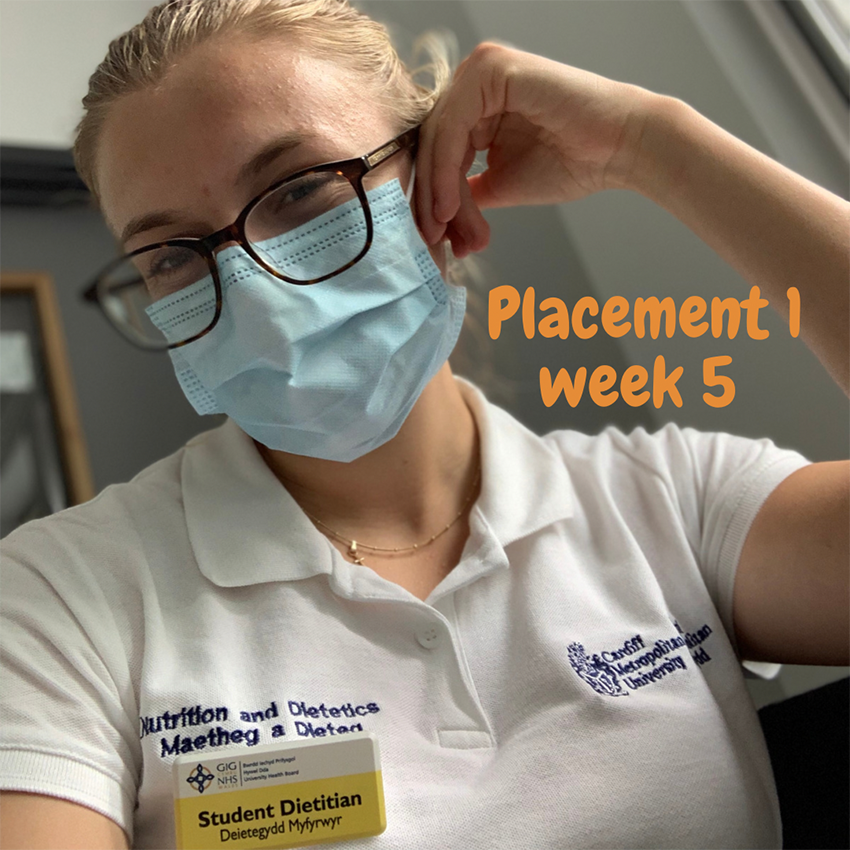
Two years of university equip you with many skills for placement:
- Time management is key, working 9-5 in the hospital 5 days a week (minus the half day of study leave) plus there is always a lot to be done outside of placement hours, every spare moment goes towards creating your placement portfolio or writing up assignments. This means staying on top of work is essential in being able to enjoy placement and not being overwhelmed with work in the last couple weeks.
- The OSCE exam is a practice consultation you undergo in first term of second year, here you learn and develop skills in talking to patients, this includes avoiding jargon, practicing eye contact and many more, the basic skills I picked up provided a good base to start placement with.
- Voice projection has been influential during Covid, wearing a mask creates an extra barrier for hard of hearing patients, therefore always checking if the patient can hear you before carrying out a consultation.
- Online communication you may be thinking “but don’t you work in a hospital” and you are correct, but as a result of Covid, many meetings and community nutrition groups have headed online, this meant my 12 months of online lectures ready-prepared me with the skills to communicate over video call.
As much as university can equip with skills heading out on to placement, there’s a certain level of skills that you have to learn on the job because they simply can’t be taught, and that’s ok, no one can be prepared for everything! Placement was hard, but brought me so much joy and excitement following a year of barely seeing another course mate in person, I’ve returned to Cardiff with a happy heart and a brain full to burst with new information, and I look forward to placement 2.

